Three Major Channels
| Channel | Share | Characteristics |
|---|---|---|
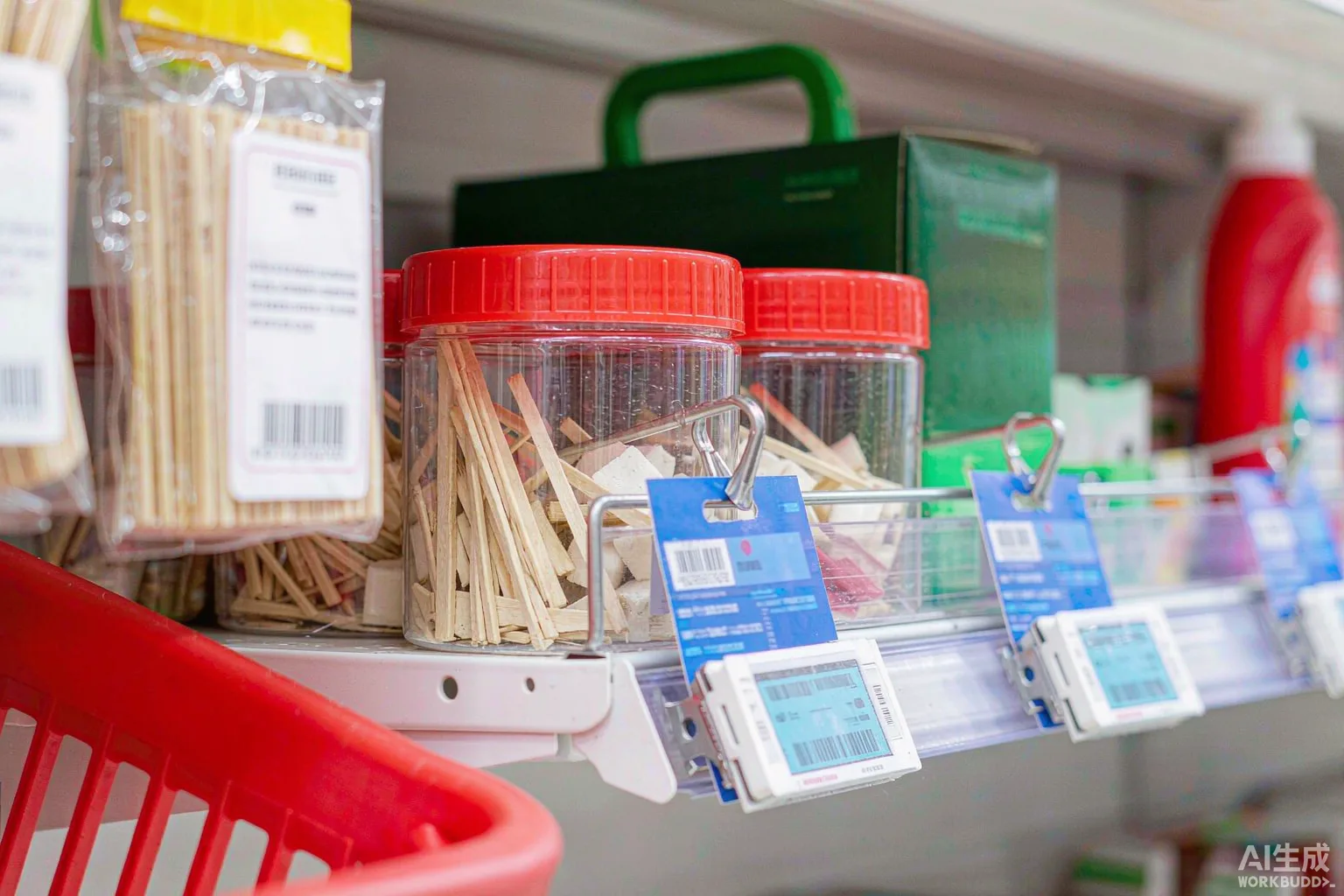
| Offline hypermarkets / DIY chains | ~50%–68% | US: Home Depot, Lowe's, Walmart; EU: OBI, Bauhaus; UK: Tesco, B&Q. Seasonal end-caps and cross-merchandising are the main sales drivers |
| Online / e-commerce | ~32%–46% (fastest growing) | Amazon, Walmart.com, brand DTC; chimney starters exceed 42% online share in North America; large packs, multi-packs and subscription repeats are unique tactics |
| Specialty grilling stores | Small share, high value | 18% of US fuel sold here; price-insensitive, the launch pad for new products and premium ecosystem lines |
Price Elasticity
Demand has moderate price sensitivity: roughly a 10% price increase corresponds to a 5%–8% volume drop; the large-pack price band and private-label low-price range are most sensitive. Attributes like "eco-certified, odorless, waterproof" can improve premium acceptance.
Unit Economics
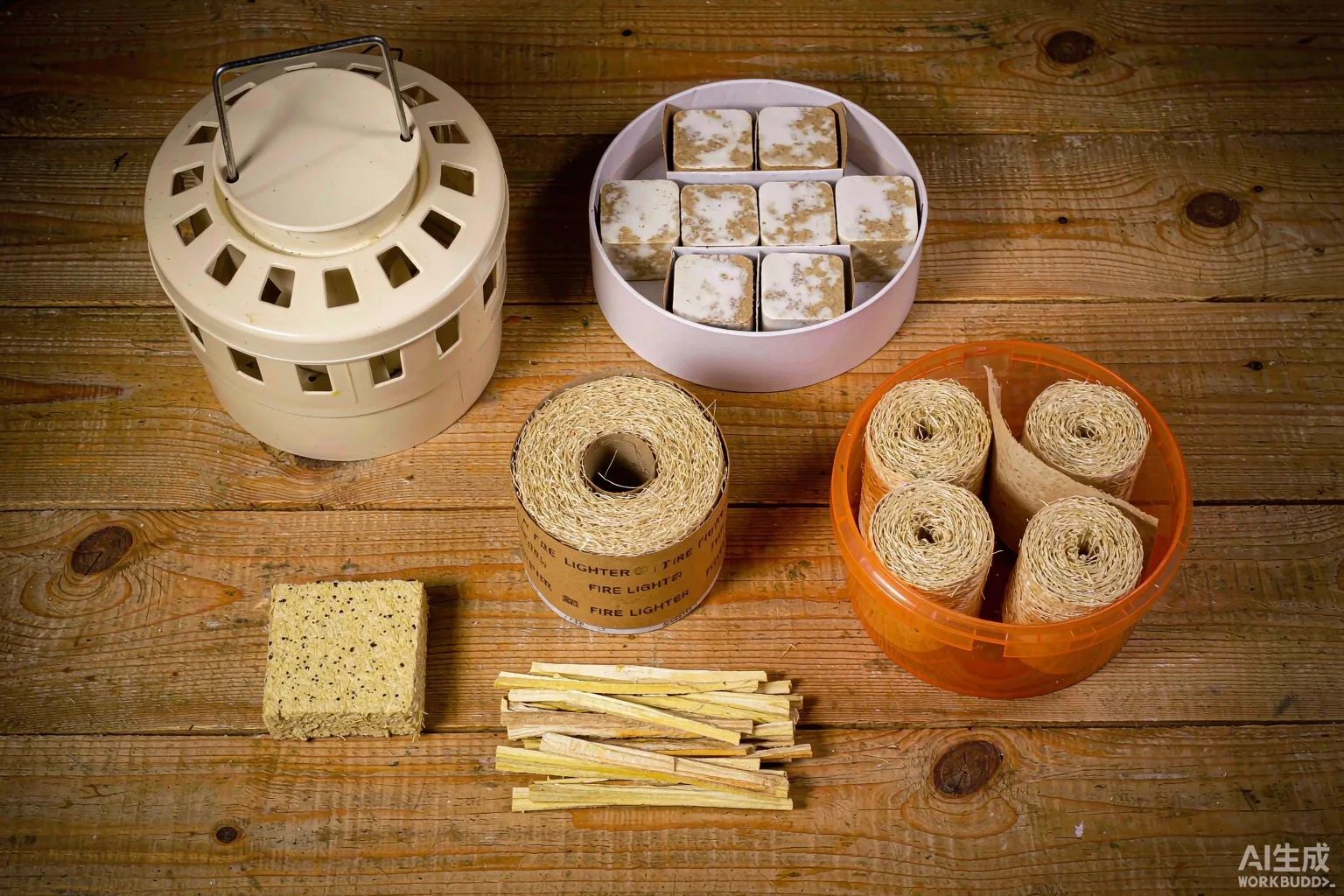
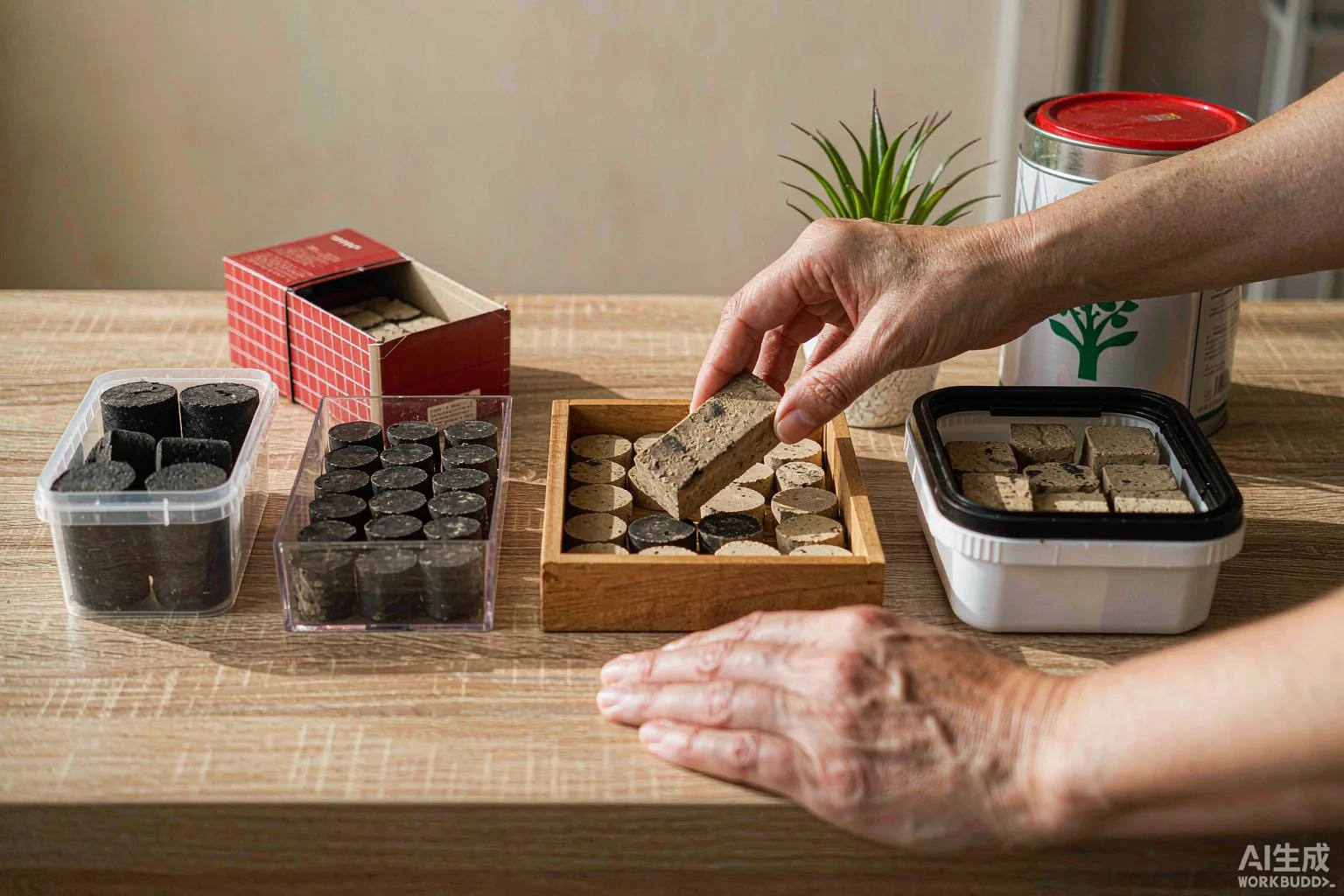
Unit cost is the core competitive dimension. UK supermarket large packs have been pushed down to 3–4 pence per firelighter (Big K 96-pack £4.0), while branded small packs remain at 15–25 pence/piece — the ~5x gap is the fiercest battleground between "brand premium vs. private label". 48/96/144/1000+ bulk packs are the main price war arena.
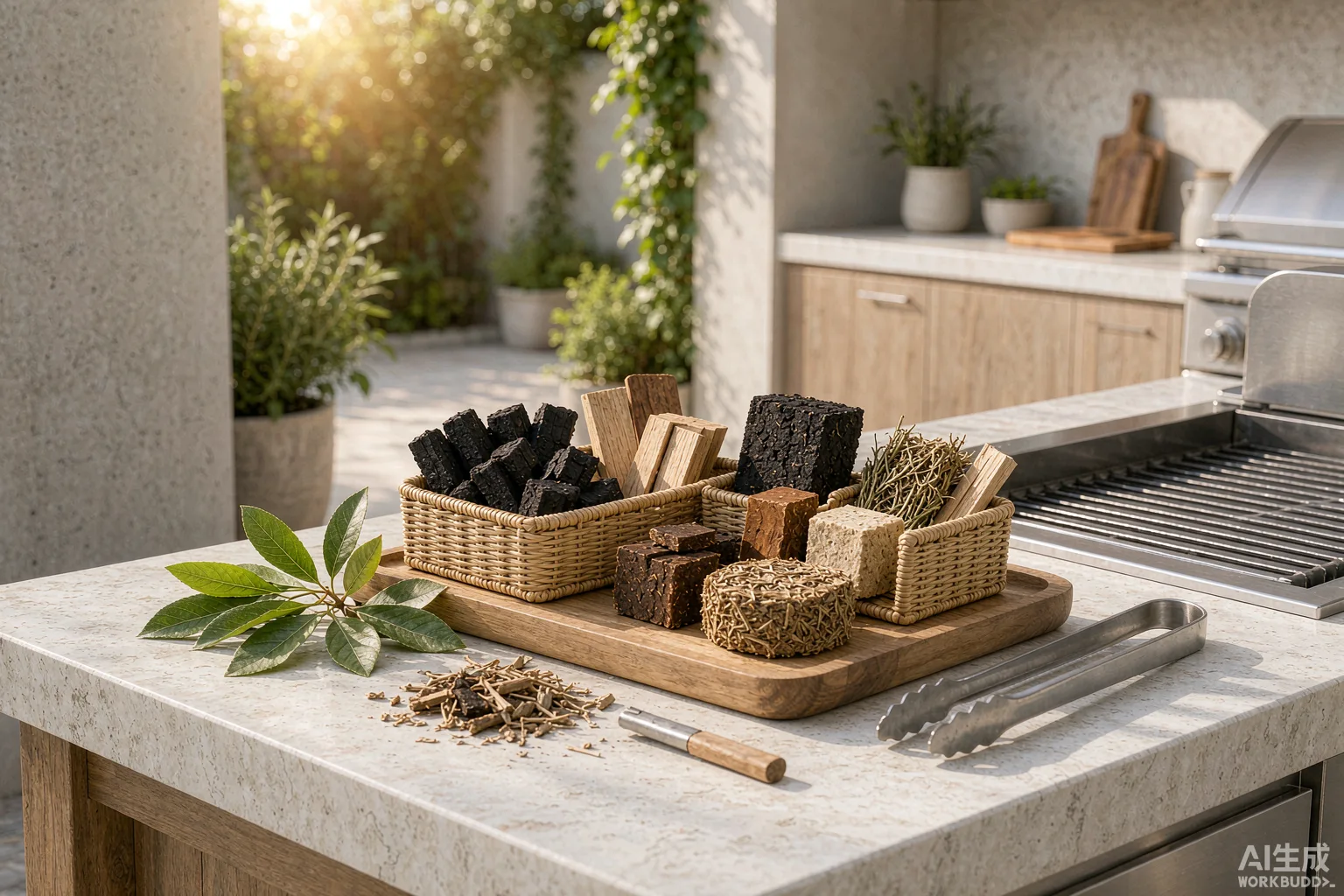
Channel strategy: the chimney starter is the best bundle entry for natural fire starters — for a consumables brand entering the home grilling scenario, bundling with a chimney starter is the most efficient route.