
Breaking buyers' vague needs into a four-step decision: use case, product category, burn time, packaging and compliance. By the end, you'll be ready to configure a product.
Define the scenario, then the category, then packaging and compliance — avoid copying competitors.
Fireplace, grill, camping or gift set — first establish ignition conditions and usage frequency.
Firelighters, wax cubes, wood-wool sticks or ignition hardware — choose by user habits and channel positioning.
Set the duration by ignition window and user patience — avoid waste from overly long burn or failure from too short a burn.
Determine labels, warnings and the documentation pack by target market, then finalize the packaging format.
Turn buyer questions into configurable product solutions.
These details are often overlooked at sampling but amplified in mass production and launch.
The wax-to-wood-fiber ratio determines burn performance — similar looks don't guarantee a consistent experience.
Reports must correspond to the specific formulation and packaging; reusing them across models will be questioned during review.
Longer burn time isn't always better — it must match the user's actual operating rhythm.
Read in chapter order, from category awareness to actionable configuration advice.
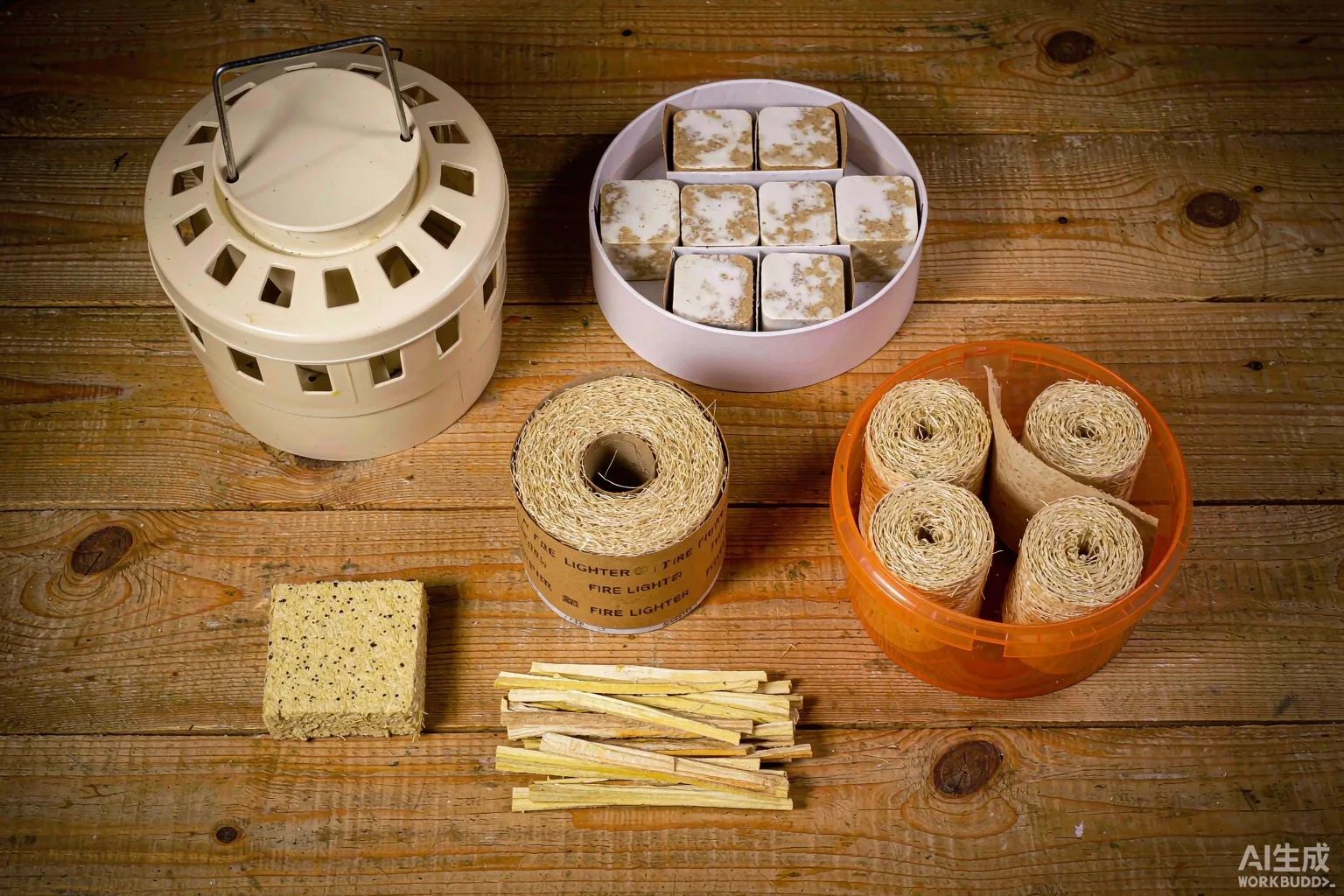
Western market terminology differs greatly from domestic terms — first align on "what it is" before looking at the market.
Continue Reading →
What defines the product experience is the wax-to-wood-fiber ratio and process control.
Continue Reading →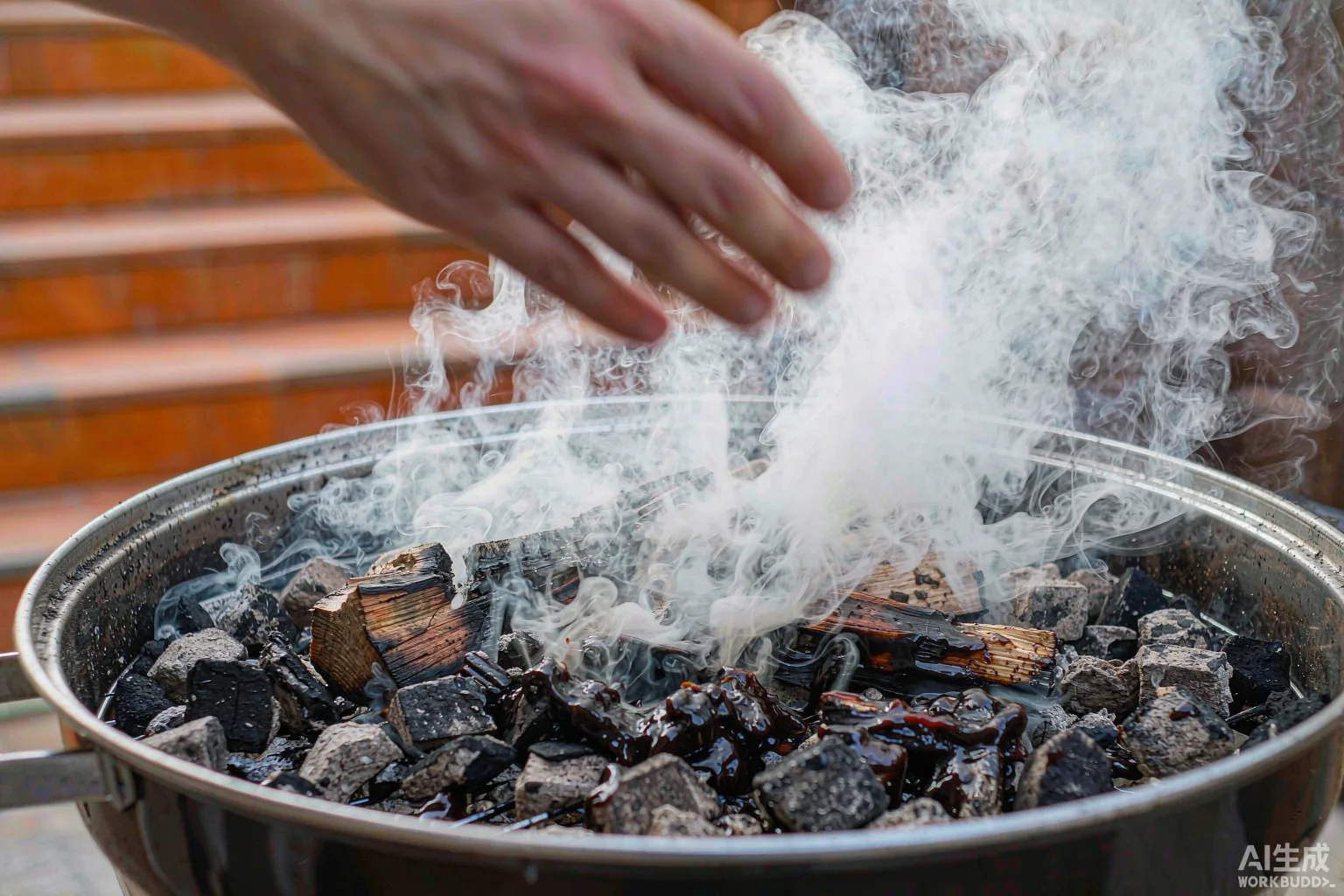
Understand why buyers switch from lighter fluid, and you'll understand the driver of category upgrades.
Continue Reading →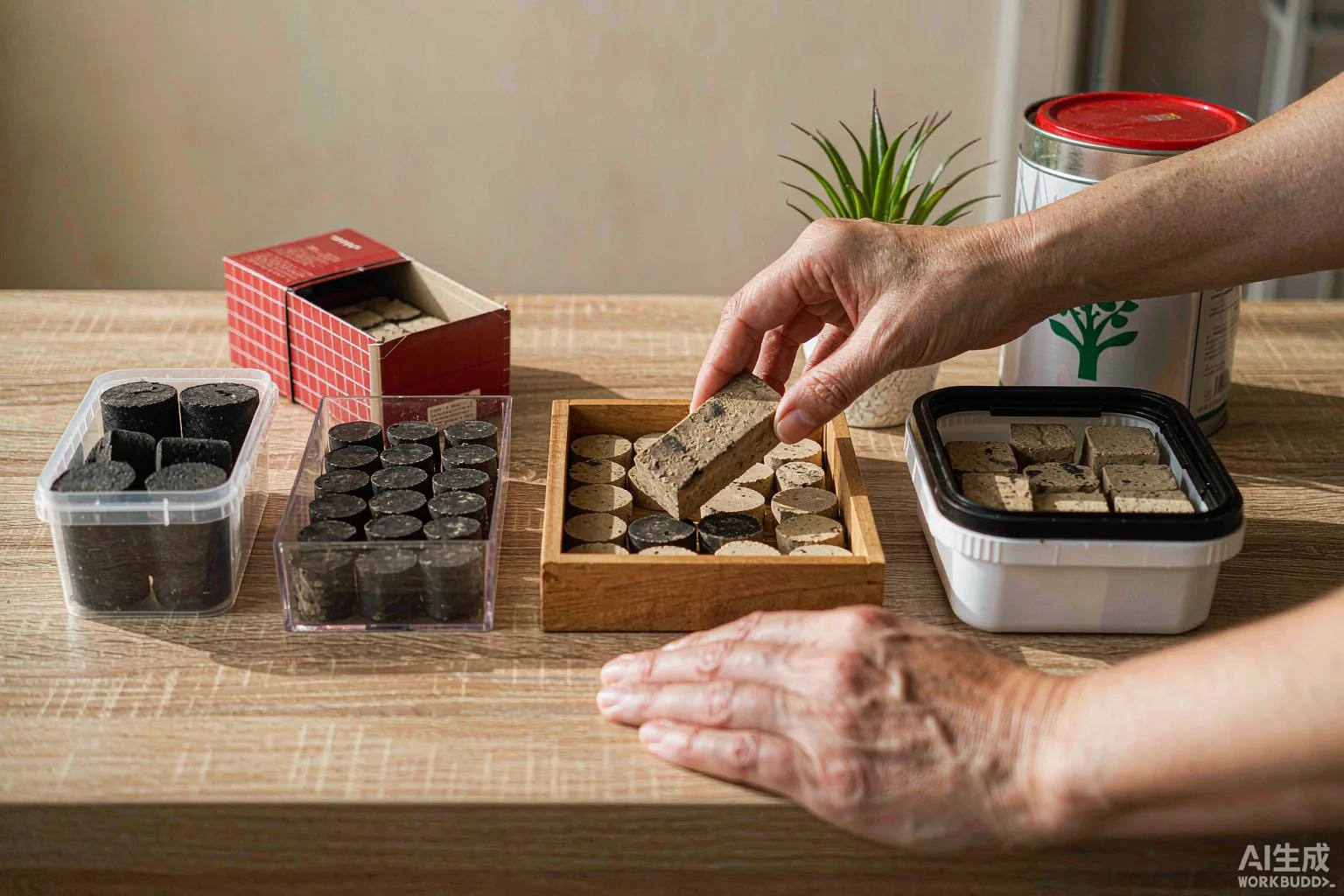
Seven recommendations covering product mix, regional strategy, cost control and upfront compliance.
Continue Reading →
One table shows which category suits which use case and the required burn time.
Continue Reading →Provide your use case, channel and target market, and we'll return an actionable product and packaging plan.
Ask About Selection →