
Europe: EN 1860-3:2023 Is the Core Threshold
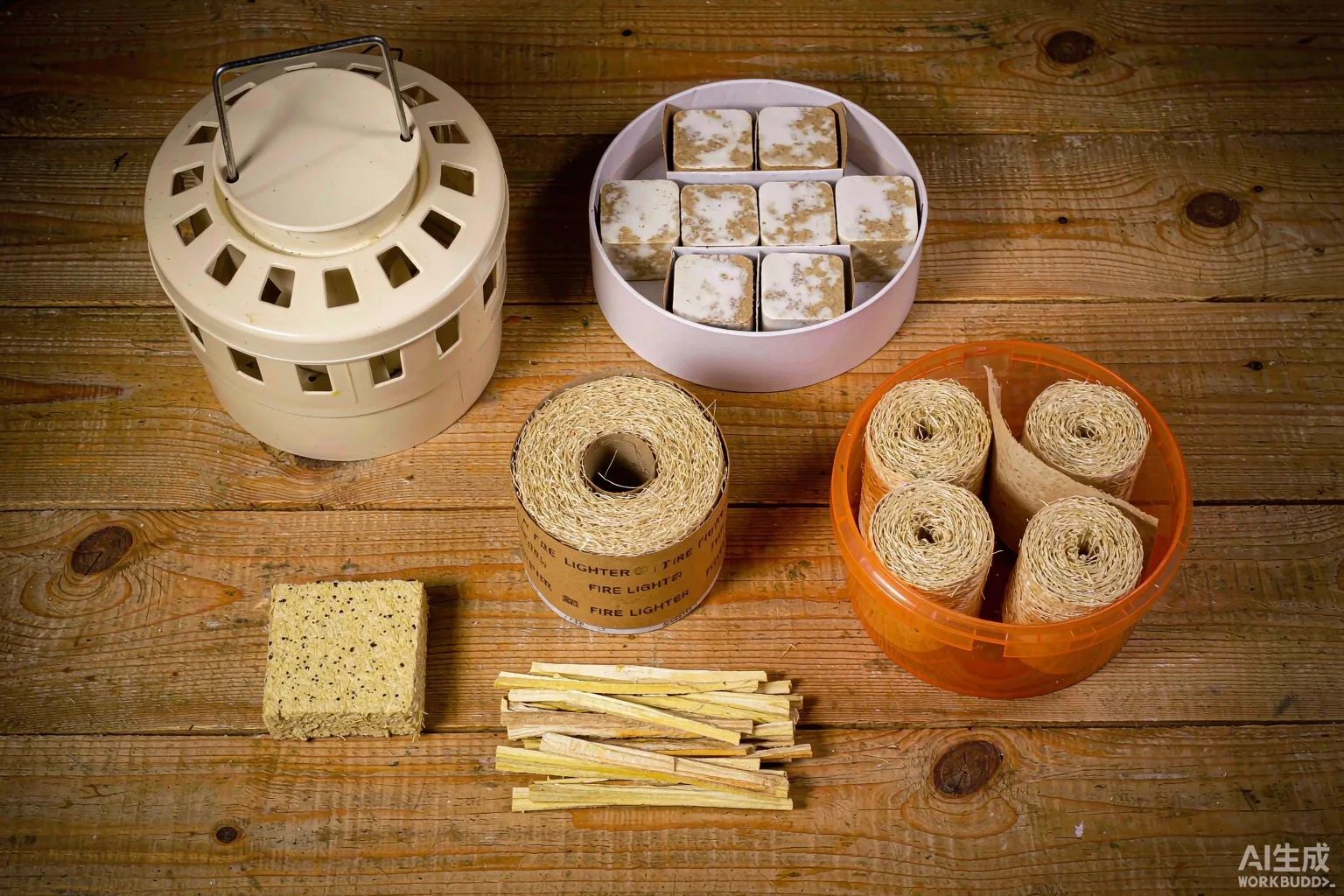
The CEN standard specifies safety, performance, packaging, labeling requirements and test methods for firelighters for barbecue solid fuel, covering solid, liquid, thickened liquid and gel forms; highly flammable liquids (unless stabilized) are explicitly excluded. The 2023 version removed the fixed ignition-time requirement, shifting the core to "safe, predictable burning behavior". Key limits: PAH ≤ 1.0%, sulfur ≤ 0.5%, PBT/vPvB prohibited; no flash ignition, deflagration, sparks, spattering, wax dripping or explosion allowed.
Tested to DIN EN 1860-3, certificates are valid for 2 years with annual sampling. Note: writing "Manufactured according to DIN EN 1860-3" on packaging is only self-declaration; only the DIN certification mark proves independent verification.
REACH/CLP: The Divergence Point for Shipping and Online Sales
Whether it is a CLP "flammable solid" is determined by UN Test N.1 (ISO/IEC 17025 lab, tested per actual formulation). If classified as Flam. Sol. 2 / H228: mandatory 16-point SDS, CLP GHS02 pictogram + warnings, UFI unique formula identifier, poison-center notification, ADR Class 4.1 / IMDG dangerous-goods shipping — cost and lead time rise significantly; if not classified, none of these apply.
Paraffin Raw Material Risk
Paraffin has a harmonized carcinogenicity classification in CLP Annex VI (unrefined grades). Exemption requires proof of complete refining history (Note N) or IP 346-measured DMSO extract < 3% (Note L). Always obtain the refinery's IP 346 test certificate at the sampling stage.
North American Key Points
CPSC focuses on handle heat insulation and tipping stability; California Prop 65 requires warnings on coatings and combustion by-products; FSC wood sourcing is an important credential for mainstream retail access and eco premiums.